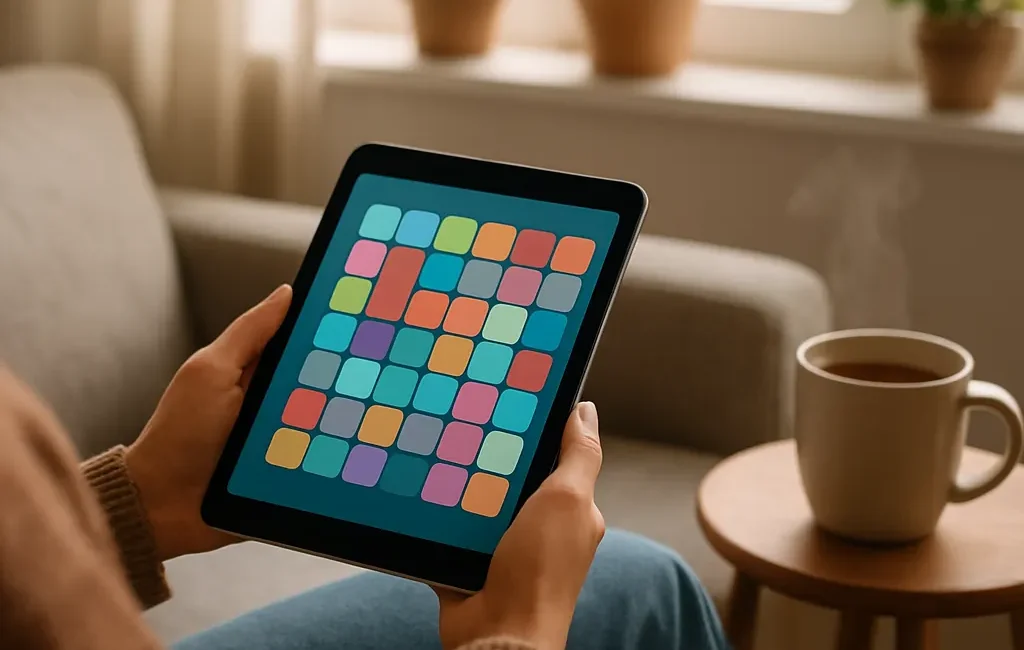
Casual puzzle games are perfect for short breaks: they can clear your head, sharpen attention, and feel satisfying without demanding a long time commitment. But when play becomes competitive, endless, or distracting, short sessions stop being restorative. These practical habits help you keep puzzle play calm, enjoyable, and truly brief—whether you have five minutes between meetings or a relaxed 15-minute coffee break.
Start with the right mindset
How you approach a quick puzzle session sets the tone. Treat it as a mini-break, not a mission. Remind yourself that the goal is to reset and relax, not to chase high scores or finish a long level. Low-pressure intentions make it easier to stop when you want to.
Pre-play habits: prepare for a short, easy session
- Choose short-session games: Pick games that naturally fit five- to fifteen-minute windows. Look for levels or puzzles that clearly end in a few minutes—single puzzles, rounds, or daily challenges.
- Set a soft time limit: Use a timer on your phone or a mental boundary. A 5- or 10-minute timer helps you stay mindful of the break’s length and reduces the risk of losing track of time.
- Select low-pressure modes: Opt for relaxed or casual modes if a game offers them. Avoid ranked, timed competitive modes when you only have a short break.
- Turn off unnecessary notifications: Silence in-game push notifications or social features that can escalate stress or pull you into longer sessions.
- Comfortable setup: Sit somewhere calm, keep your device charged, and have a drink nearby. A cozy environment helps the break feel restorative rather than rushed.
In-play habits: keep the session relaxing
- Start with a breath: Take one slow inhale and exhale before you begin. Small breathing setups lower stress and build focus for a short period.
- Accept mistakes: Treat errors as part of play. If a puzzle goes poorly, move on rather than repeating attempts continuously. This prevents frustration from ballooning in a short session.
- Use sensory cues: Choose games with calming visuals and sounds if you want a true break. Muting aggressive sound effects or switching on gentle ambient audio can keep tension low.
- Play intentionally: Keep your goal simple—complete a level, solve a single puzzle, or spend five minutes exploring patterns. A clear, small objective helps you stop easily.
- Pause when needed: Use the pause function if something urgent pops up. Safe, interruptible design keeps breaks short and stress-free.
Post-play habits: close the session cleanly
- Stop on a win or a natural break: Whenever possible, finish on a completed level, a solved puzzle, or a gently paused state. Ending with a small success makes it easier to walk away satisfied.
- Reflect for a moment: Spend 15 seconds noticing how you feel—calmer, energized, or neutral. Quick reflection reinforces the break’s restorative effect and improves future choices.
- Return to work with a transition: Do a short physical motion before resuming tasks—stand up, stretch, or clean up your desk. That tiny ritual signals your brain that play has ended.
- Log if you need to track time: If you’re testing a habit for productivity, jot a one-line note (time, game, feeling). This helps you spot patterns and tune your break routine.
Game-selection tips for short, calm sessions
Not every puzzle genre fits a short, low-stress break. Favor designs that are forgiving, finite, and visually pleasant.
- Match-3 and casual tile puzzles: Typically level-based with short rounds and an obvious end point.
- Daily or single-shot puzzles: Word puzzles, nonograms, and daily grids provide a single, satisfying objective and a natural stopping point.
- Sliding and logic puzzles: One puzzle at a time mechanics lend themselves to brief focused play.
- Relaxing number puzzles: Games that emphasize pattern recognition and steady progress rather than speed are ideal.
- Ambient or cozy puzzle hybrids: Titles with soft visuals, muted soundscapes, and minimal timers help preserve a calm mood.
Sample routines for short breaks
Five-minute reset
- Put device on Do Not Disturb for five minutes.
- Open a single-level puzzle (match, sliding, or word).
- Breathe once, play until level ends or timer rings.
- Pause, note feeling, and stretch for 10 seconds before resuming work.
Ten- to fifteen-minute unwind
- Choose a calm puzzle mode or two short levels.
- Play with ambient sound on or a playlist of gentle music.
- Stop after completing two levels or when the timer ends; reflect briefly and transition back with a short movement.
Keep it sustainable
Small habits compound. If you run through multiple short breaks in a day, keep them consistent: same games, same time limits, same soft rituals. That predictability makes play a reliable mental reset rather than a distraction. If you notice stress rising, revisit your settings—remove leaderboards, switch to calmer modes, or shorten sessions.
Casual puzzle games can be a simple, healthy way to refresh your mind if you treat play like a mini-routine. With the right game choices, a short pre-play setup, mindful in-play behavior, and a tidy post-play transition, five to fifteen minutes of puzzle play will consistently feel like a low-stress break instead of an escape you regret.